Reading list · Kids
Picture Books About Good Character and Big Feelings
Kindness, honesty, patience and handling big feelings, in stories children actually want to hear again.
Mon Oct 26 2026
Good character is taught a little at a time, in ordinary moments. A story can help by giving children a picture of what kindness, honesty and patience look like, and by showing that everyone has days when they feel angry, worried or left out.
These picture books do both. Some focus on manners and good deeds, others help children name their feelings and find a way through them, always with Allah close by.
Tittle-Tattle Talia
by Salwah Isaacs-Johaadien
Talia loves to gossip, until she learns how much her words can hurt. A gentle story about guarding our tongues.
Speak Up Sami
by Shabana Hussain
Quiet Sami finds the courage to speak up when a new boy is being teased. A story about kindness and standing up for others.
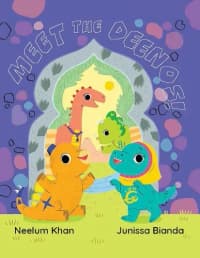
Bilal's Bad Day
by Neelum Khan
Bilal is having a day full of big feelings. A helpful picture book about understanding and managing emotions.
Trains & Trainers
by Sarah Musa
Malik's brother Badr is autistic, and Malik learns to understand him better. A gentle story about family, patience and empathy.
30 Wonderful Personality Traits to Learn From Prophet Mohammad
by Bachar Karroum
A 30-day guide for children to good character, with a different trait from the life of the Prophet ﷺ each day. Simple and practical.
Forgiving Others: Good Manners and Character
by Ali Gator
Ali's friend Faisal shows him that good friends forgive each other. A short, sweet lesson in forgiveness for children (and adults too).
Being Honest: Good Manners and Character
by Ali Gator
Ali breaks Saaliha's doll and learns that honesty is always best. A simple story from the Akhlaaq Building Series about good character.
Pizza In His Pocket - Learning to be Thankful to Allah
by Goodword
A funny story about a boy who loves food from all over the world, teaching children to be thankful to Allah and share with others. A light, lovely read about gratitude.
When something happens in real life that matches a story, mention it gently: remember what happened in the book? Children often find it easier to talk about a character than about themselves.